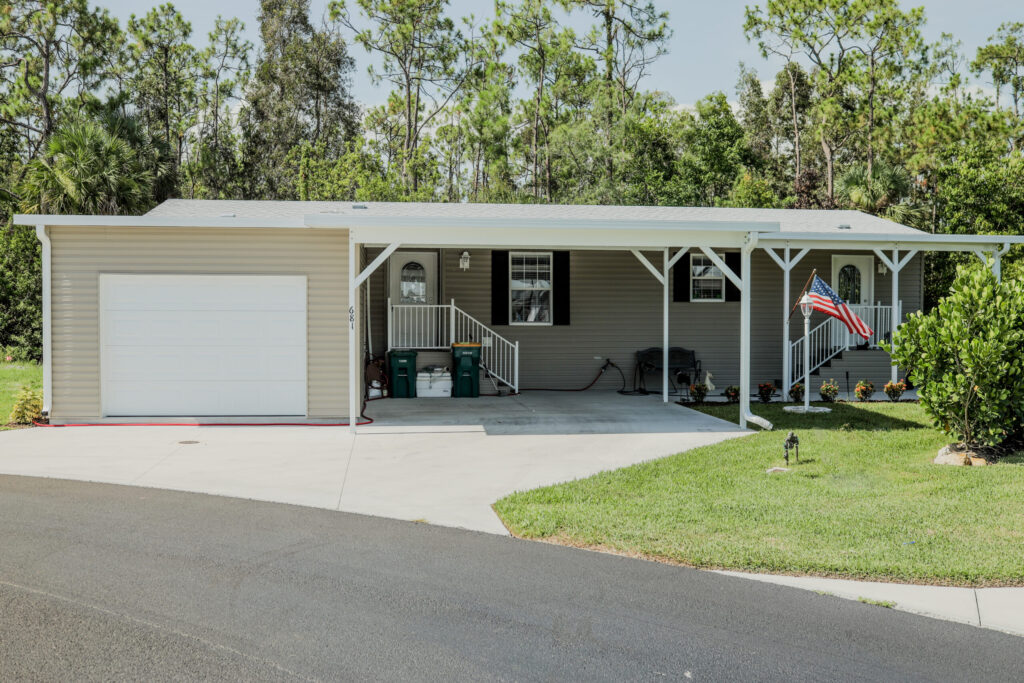
A manufactured home carport is supposed to do more than give you a little shade. It helps protect your vehicle, reduces exposure to Florida sun and rain, and adds a practical feature to your property. But like any exterior structure, a carport does not stay in good shape forever. Over time, weather, age, poor installation, and everyday wear can all catch up to it. When that happens, your manufactured home carport may stop doing the job it was built to do.
Many Florida homeowners wait until the damage is obvious. By then, the problem is usually bigger, more expensive, and harder to ignore. If you have started noticing changes in the look, strength, or performance of your carport, it may be time to take a closer look. Knowing the warning signs early can help you protect your investment and avoid bigger repair needs later.
Your Carport No Longer Protects Against Sun and Rain
One of the biggest signs your manufactured home carport is no longer doing its job is simple. It is not giving you the protection you expected in the first place. If your vehicle still gets soaked during normal rain or sits in direct sunlight for most of the day, your carport may no longer be providing enough coverage.
This can happen when the roof panels are damaged, the structure has shifted, or the original design was too small for the space. In Florida, intense UV exposure and heavy seasonal rain can quickly expose weaknesses. A carport that no longer shields your vehicle from the elements is not just aging, it is failing at its main purpose.
Rust, Corrosion, or Visible Wear Is Getting Worse
Florida weather is hard on outdoor structures. Moisture, heat, and salt in the air can all wear down metal components over time. If you notice rust spots, corrosion around the fasteners, bubbling paint, or metal that looks thin and weak, those are signs your manufactured home carport may be breaking down.
What starts as minor surface wear can turn into a structural issue if left alone. Rust can spread faster than many homeowners expect, especially when water keeps getting trapped in the same areas. If your carport looks worn out, stained, or weakened, it may already be well past the point of just being cosmetic.
The Roof Panels Are Loose, Bent, or Damaged
A strong manufactured home carport should have roof panels that stay secure and hold their shape. If the panels are bent, sagging, rattling in the wind, or pulling away from the frame, the structure is no longer as dependable as it should be.
Loose panels can lead to leaks, poor drainage, and more serious storm damage. They can also become a safety concern during high winds. In Florida, that matters even more. A damaged carport roof can quickly get worse during a summer storm, and what started as a small issue can turn into a major repair or full replacement.
Water Is Not Draining the Way It Should
A functional carport should move water away from the area, not allow it to collect on top or around the posts. If you notice standing water, dripping in unusual spots, or water pooling near the base after rain, that is a warning sign. Poor drainage can put extra stress on the structure and lead to faster deterioration.
Water problems often show up before homeowners realize there is a larger issue. A roof that sags slightly, a gutter line that no longer works properly, or a subtle shift in the frame can all affect drainage. If your manufactured home carport is holding water instead of shedding it, it may no longer be doing its job the right way.
The Structure Looks Uneven or Feels Unstable
A carport should look solid and feel secure. If it seems crooked, leans to one side, or shakes more than it used to, that is something to take seriously. Many homeowners first notice this when looking at the roofline from a distance or when hearing movement during wind or rain.
An unstable manufactured home carport may point to loose connections, weakened posts, settling around the base, or poor original installation. Even if it has not collapsed, movement is a sign that the structure may not be able to handle future stress the way it should. Waiting too long can increase both safety risks and repair costs.
Fasteners and Connections Are Failing
Sometimes the biggest warning signs are in the smaller details. Screws, bolts, brackets, and other hardware play a major role in keeping a manufactured home carport secure. If those pieces are missing, rusted out, loose, or pulling away, the whole structure can become compromised.
Florida storms and constant temperature changes can slowly loosen connections over time. Once the fasteners start failing, the rest of the carport becomes more vulnerable. Panels can shift, framing can weaken, and the carport can lose the strength it once had. If the hardware is in poor condition, the structure is usually not far behind.
It Looks Old, Worn Out, and Brings Down the Property
Function matters most, but appearance still tells you a lot. A manufactured home carport that looks faded, stained, dented, crooked, or outdated may also be showing signs of deeper wear. Even if it is still standing, a neglected-looking carport can hurt curb appeal and suggest that repairs or replacement are overdue.
For many homeowners, the carport is one of the first things people notice from the front of the property. If it looks like an afterthought or seems like it has seen better days, it may be time to invest in something stronger and better suited for your home. A newer carport can improve both protection and appearance at the same time.
Storm Season Makes Weak Carports More Obvious
Florida storm season has a way of exposing every weakness in an exterior structure. A manufactured home carport that seemed fine during dry weather may suddenly show leaks, shaking, noise, loose panels, or drainage problems once heavy rain and wind arrive.
That is why many homeowners do not realize their carport is failing until the weather gets rough. But by then, options may be more limited. Taking action before storm season gets worse can help you avoid emergency damage and reduce the chance of a larger failure when your property needs protection most.
Repair or Replace? It Depends on the Condition
Not every issue means you need a full replacement. In some cases, a manufactured home carport may only need targeted repairs. But when there are multiple signs of wear, structural weakness, drainage problems, and visible aging, replacement is often the smarter long-term choice.
A newer carport can give you better coverage, stronger materials, and a cleaner look that fits your home. It can also give you more confidence going into Florida’s harsh weather seasons. The key is not waiting until the problems become impossible to ignore.
Do Not Wait Until the Damage Gets Worse
If your manufactured home carport is no longer protecting your vehicle, handling rain properly, or holding up the way it should, it is time to pay attention. Small warning signs often turn into bigger issues when they are ignored, especially in Florida conditions.
A carport should add value, convenience, and protection to your property. If it is doing the opposite, it may be time to repair it or replace it with something built to last. Catching the signs early can save you money, improve safety, and help keep your manufactured home looking its best.