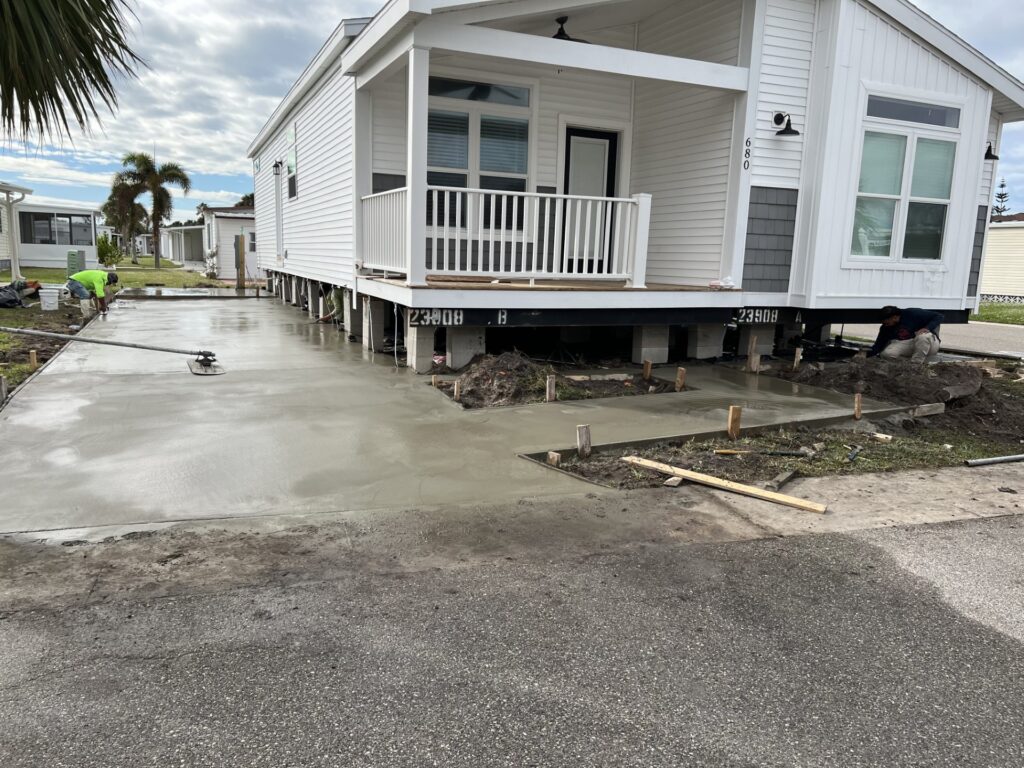
Florida is not gentle on concrete. Between sandy soil, heavy rain, high humidity, and intense sun, a slab can look perfect on day one and start showing problems way too soon. If you have ever seen a new pad develop cracks fast, or watched one corner settle after the rainy season, you already know the hard truth. Most slab issues are not random. They usually come from shortcuts in prep, drainage, reinforcement, or curing.
A strong slab is not about luck. It is about doing the unglamorous work the right way before the concrete even shows up. When you invest in professional concrete services in Florida, you are paying for a slab that stays level, sheds water correctly, and holds up for years. You are also buying peace of mind, because fixing a bad slab later is almost always more expensive than doing it right the first time.
What “won’t crack or sink” really means in real life
Concrete can crack, even when it is poured well. The goal is not “zero cracks forever.” The goal is tight, controlled cracking that does not spread, does not create trip hazards, and does not turn into settling or soft spots. When concrete fails, it usually fails in ways you can feel and see. You notice pooling water. You notice a dip near the edge. You notice a crack that keeps widening. You start worrying every time it rains hard.
A quality concrete slab in Florida is built to resist the real problems that show up over time. That means stable base preparation, smart drainage, proper reinforcement, planned control joints, and curing that matches Florida heat.
Why concrete slabs crack or sink in Florida
Most people blame the concrete itself, but the ground and water around the slab are usually the real issue. Florida soil can be sandy, loose, or filled. If the base is not graded correctly and compacted properly, the slab is basically sitting on a future problem. Over time, the soil shifts, voids form, and the slab settles. That settling can start small, then grow into a noticeable slope.
Water makes everything worse. When runoff flows toward a slab, or downspouts dump water near the edges, it can wash out soil and soften the base. Once the slab loses support underneath, even strong concrete can crack and drop. That is why “drainage” is not a bonus feature. In Florida, drainage is part of the foundation.
Another common issue is thickness. A light-duty concrete pad is not the same as a driveway slab. If the slab thickness and reinforcement do not match the load, you get flex, cracking, and early wear. People also run into trouble when reinforcement is skipped or installed poorly, and when control joints are treated like an optional upgrade. Concrete moves as it cures and as temperatures change. If you do not plan for that movement, the slab will decide where to crack on its own, and it usually will not pick a clean straight line.
The slab process that prevents headaches later
If you want concrete that stays solid, the process has to start with the site. A professional crew pays attention to grading, soil conditions, and how water moves across the property during a real Florida rain. They remove soft or unstable material, build the base properly, and compact it the right way. Compaction is one of those steps homeowners rarely see, but it is one of the biggest reasons a slab stays level.
Drainage planning comes next. A slab should not become the low point where water collects. Good concrete work considers the slope of the yard, where roof runoff is landing, and whether the slab needs a slight pitch so water moves away instead of sitting on top. Pooling water is not just annoying. It speeds up wear, stains the surface, and can contribute to settling issues over time.
Then comes reinforcement and layout. A slab needs the right reinforcement for the job, and it needs control joints placed with purpose. Control joints guide cracking into planned lines, which helps the slab stay cleaner and reduces random cracking. Edges also matter more than most people think. Weak edges chip, crumble, and create a rough look fast. A solid slab has strong edges, good finishing, and a clear plan for long-term durability.
Finally, curing is where strength is built. Florida heat can make concrete dry too quickly on the surface, which can lead to weakness and shrinkage cracks. A good contractor does not rush this part, because curing is not just waiting around. It is a key part of concrete slab installation that separates a slab that lasts from a slab that starts failing early.
Concrete work for real Florida living
Most homeowners are not pouring concrete just to have concrete. They are creating usable space and making the property easier to live with. A clean driveway makes daily life smoother. A level walkway makes the home safer and more accessible. A patio changes how you use the backyard. A concrete pad can support a shed, equipment, or a future outdoor project. A properly built foundation and footer system supports everything you plan to add later.
When you look at it that way, concrete is not a small detail. It is the base for how your property functions. If you build that base correctly, you stop dealing with the same annoying problems again and again.
The cheapest quote is often the most expensive slab
Concrete quotes can look similar on paper, but the difference is usually hidden in what you cannot see. The lowest price often comes from cutting time on base prep, skipping proper compaction, reducing reinforcement, placing fewer joints, or rushing curing. The slab might still look good at first. Then the rainy season shows up, the soil shifts, and suddenly you are paying for repairs, patching cracks, or replacing sections you thought were “done.”
A smarter way to choose is to ask one simple question: what is the plan to keep this slab from sinking and cracking in Florida conditions? A real professional will have a clear answer. If the answer sounds vague, that is a warning sign.
How to choose a concrete contractor in Florida without guessing
If you want to feel confident, ask about base preparation first. Ask what base material they use, how they compact it, and how they make sure it is solid before the pour. Then ask about drainage. Ask where water will go after heavy rain and whether the slab will be pitched or the site graded to keep runoff away. After that, ask about reinforcement and control joints. Ask what reinforcement is included and how they decide where joints go. Finally, ask about curing. If someone treats curing like an afterthought, that is usually not a crew you want pouring your slab.
These questions protect you, because they force the conversation onto the things that actually make a slab last.
If your slab already has cracks or sinking, do not ignore it
Not every crack means disaster. Some cracks are cosmetic. But cracks that widen, uneven settling, pooling water, or gaps near edges deserve attention. The key is finding the cause. Patching the surface without fixing drainage or base problems is how people end up paying twice. A professional assessment can tell you whether a repair makes sense, whether drainage changes will help, or whether replacement is the better long-term move.
Ready for concrete that stays level and looks clean?
If you want a slab you do not have to worry about every rainy season, the best move is to hire a contractor who treats prep, drainage, reinforcement, joints, and curing like the main job, not the extra job. Whether you need a concrete foundation, driveway, patio, walkway, pad, or footers, the goal is the same. Do it once, do it right, and build something that holds up in Florida.