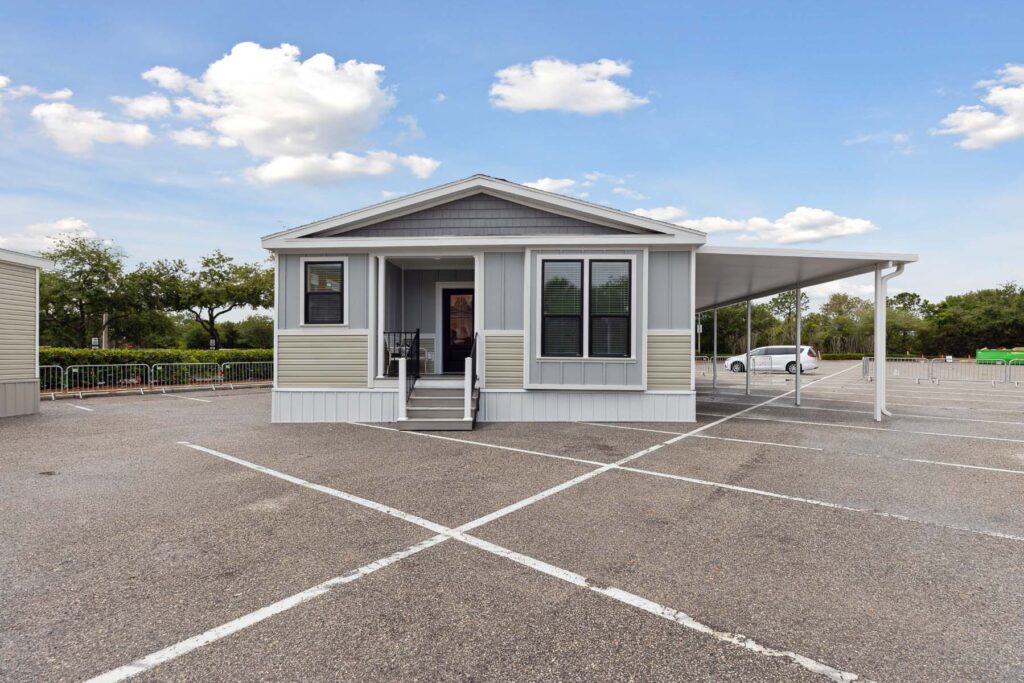
A mobile home carport looks simple: park the car under it and call it a day. In Florida, it is rarely that simple. Sun, wind, and heavy rain turn a “basic cover” into a structure that needs the right design, materials, and installation. When you choose well, a mobile home carport protects your vehicle, keeps heat off the side of the home, and makes the property look finished. When you choose poorly, it can rattle, leak, or become a constant maintenance problem.
If you are researching mobile home carports in Florida, the goal is not just shade. The goal is a carport that holds up during storm season, fits your home properly, and does not create permit headaches.
Why carports are so popular for manufactured homes
Florida heat is rough on paint, interiors, and tires. A carport reduces daily wear and keeps your car cooler, which most homeowners feel immediately. It also improves curb appeal, especially for older homes where the driveway area looks exposed. For many properties, a manufactured home carport is the fastest way to make the home feel more “complete” without a full remodel.
There is also a practical side. A carport creates a covered path from the car to the entry. That matters when it is raining hard, and it matters even more when you are carrying groceries or helping family members who need safer footing.
The big decision: attached vs freestanding mobile home carports
This is where Florida buyers either get it right or regret it.
An attached carport connects to the home and can look more integrated. However, it requires proper attachment points and correct flashing so water does not track down the wall line. In high-wind areas, attachment details matter a lot, and the structure must handle uplift forces.
A freestanding carport avoids direct attachment to the home and can simplify some installation details. It can also be a smart option when the home’s roofline or wall condition is not ideal for attachment. Even so, a freestanding carport still needs strong footings and the right anchoring, because Florida wind loads do not care whether the carport touches the house.
The best choice depends on your home, your site exposure, and local requirements. A quick site review usually makes the right option obvious.
Choosing the right roof style for Florida weather
A mobile home carport roof is not just aesthetics. It controls water flow, wind behavior, and long-term durability.
A flat or low-slope roof can look clean, but it demands correct drainage planning. If water sits, it finds weak points. A gable roof can shed water better and often handles wind differently, but it needs proper engineering and strong connections. A skillion style, which is a single slope, can work well when it directs water away from doorways and high-traffic areas.
In Florida, the “best” roof style is the one that matches the property layout and sheds water away from where you walk and where the home is vulnerable.
Materials that hold up best for mobile home carports
Most Florida homeowners end up choosing aluminum carports or metal carports because they handle humidity and rain better than many alternatives. The key is the quality of the framing, the fasteners, and the finish.
Low-grade fasteners corrode faster in coastal air. Thin panels flex more, which can create noise and loosen connections over time. Better materials cost more up front, but they usually save money in repairs and replacement.
If you are near the coast, treat corrosion resistance as a priority. If you are more inland, you still want strong hardware and clean installation, because storms travel.
Permits, wind ratings, and the part most people skip
Florida rules vary by county and municipality. Some areas require permits for carports, especially when the structure exceeds certain sizes or attaches to the home. Wind exposure can also affect what is allowed and what engineering is required. This is one of the biggest reasons people get stuck halfway through the project.
A professional approach avoids guessing. The right team discusses your location, your structure size, and your placement, then builds the carport plan around what your area requires. That saves you from spending money on a carport that later needs changes.
Sizing a mobile home carport the right way
Carports often look wrong when the size does not match the driveway or when posts land in awkward spots. A good layout feels natural. It gives you room to open doors comfortably and walk around the vehicle without squeezing along a wall.
Width matters for daily use. Height matters for trucks, work vans, or lifted vehicles. Length matters if you want coverage from the driveway edge to the entry. If you plan to add a storage area later, it is smart to plan the footprint now so the structure stays balanced.
Add-ons that increase value without turning into clutter
The best add-ons solve real problems. A gutter system helps control runoff and prevents splashback near the home. A small covered walkway improves safety during rain. Bracing upgrades reduce movement and noise in wind. A clean soffit and trim package can make the carport look intentional, not like an afterthought.
Florida homeowners usually appreciate upgrades that reduce maintenance and improve comfort. They rarely regret those choices.
The most common mistakes people make with mobile home carports
Many issues come from choosing based on price alone. A cheaper carport can cost more over time if it shifts, leaks, or requires constant tightening. Another common mistake is placing posts without considering door swing, vehicle clearance, and foot traffic. People also underestimate how much water management matters. When drainage is wrong, the area becomes slippery, messy, and harder to keep clean.
The biggest mistake is skipping the “Florida factor.” Wind, rain, and sun stress every connection. In this climate, details matter.
What a “done right” carport feels like
A properly built manufactured home carport feels solid. It does not wobble or rattle during normal storms. It directs water away from the home. It gives you comfortable clearance and a clean path to the entry. It also improves the look of the property in a way that feels permanent.
That is why homeowners often prefer a team that handles the layout, anchoring, and finish details as one plan. When the process is organized, you end up with a carport that looks better, lasts longer, and removes stress instead of adding it.
Final thoughts
Mobile home carports in Florida are one of the best practical upgrades you can make, as long as the structure matches Florida weather and your property’s needs. The right design improves daily comfort and protects what you drive. The right install keeps the structure quiet, stable, and low-maintenance for years.
If you want a carport that fits your home cleanly and holds up through storm season, the smartest next step is a simple site check and a plan built around your location.